
How to Choose Creative 3D Printing in New York City, NY
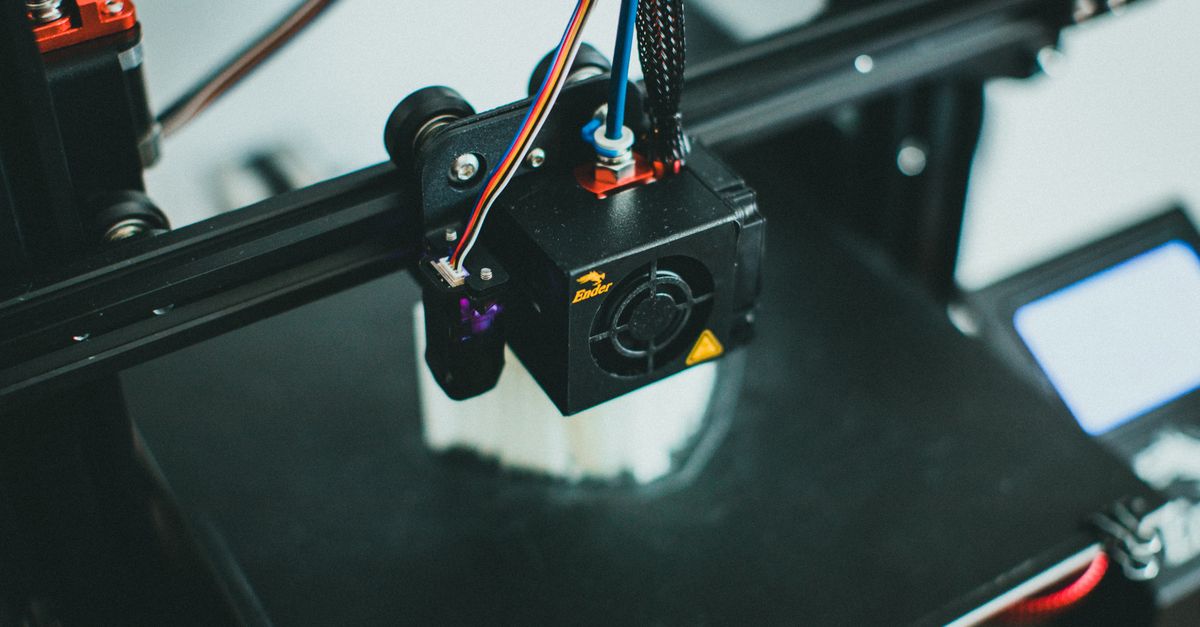
When I first started experimenting with 3D printing back in 2015, I never imagined how central it would become to my business strategy. Today, whether you’re a start‑up looking for a rapid prototype or an established brand wanting a unique marketing asset, creative 3D printing is a game‑changer—especially here in New York City, where competition and innovation run high. This article walks through the practical steps I use every time I evaluate a local service, so you can make an informed decision without getting lost in jargon.
Why Creative 3D Printing Matters in NYC
New York is a hub for design, advertising, automotive engineering, and experiential marketing. The ability to produce complex geometries on demand lets creators push the envelope faster than traditional manufacturing routes. For example, an ad agency can now print a custom sculpture that fits perfectly into a downtown billboard, while an automotive boutique can prototype a lightweight chassis component in hours rather than weeks.
Moreover, NYC’s regulatory environment and supply chain infrastructure mean that quality control is paramount—any flaw in a printed part can have immediate reputational repercussions. That’s why choosing the right printer service isn’t just about price; it’s about reliability, material science expertise, and local support.
Key Factors When Selecting a 3D Printer Service
I’ve distilled my evaluation process into three core pillars: materials, precision, and scalability. Below are practical checklists for each pillar.
Material Options and Quality
- Does the provider offer the specific polymers or metals you need?
- Are they certified to ASTM or ISO standards relevant to your industry?
- Can they provide material samples for preliminary testing?
- What is their lead time for custom material blends?
Print Resolution and Accuracy
- What minimum layer height can the printer achieve?
- Is there a tolerance specification (e.g., ±0.1 mm) that matches your design requirements?
- Do they use closed‑loop calibration to maintain dimensional consistency?
- Can you view a digital preview or simulation before printing?
Speed vs. Cost Trade‑offs
- What is the average print time for a standard part size?
- Do they offer batch discounts or volume pricing?
- Is there an additional fee for rapid turnaround?
- How do they handle post‑processing (cleaning, curing, finishing)?
Specialized Applications in NYC: Automotive, Advertising, Exhibitions, Flexible Materials
The city’s diverse industry mix means that different projects have distinct priorities. Below is a quick guide to what you should ask when your project falls into one of these categories.
Automotive Parts
- Material strength and temperature tolerance must match OEM specs.
- Can the printer handle complex internal lattice structures to reduce weight?
- Is there an option for rapid prototyping of custom fixtures?
- What post‑processing steps are required to meet automotive finish standards?
Advertising Assets
- Do they support large‑format prints for billboards or gallery displays?
- Can you print with high color fidelity for brand consistency?
- Is there a quick turnaround for event‑specific props?
- What are the recommended finish options (matte, glossy, UV protection)?
Creative Projects & Prototyping
- Is the printer capable of multi‑material outputs for mixed media designs?
- Do they offer design assistance or CAD optimization services?
- Can you iterate quickly with feedback loops in place?
- What are the options for surface finishing (polishing, painting)?
Flexible Materials
- What elastomeric polymers are available (e.g., TPU, TPE)?
- Can the printer handle overhangs without support material?
- Is there a post‑processing step to enhance elasticity?
- How does the service ensure batch consistency for wearable or soft‑robotics components?
Understanding the Local NYC Market Landscape
The city hosts dozens of 3D printing labs, ranging from hobbyist makerspaces to full‑service commercial facilities. While many are capable of basic prototyping, only a subset offers the high‑end materials and precision needed for automotive or advertising work.
When researching providers, I pay close attention to their client roster—if they’ve worked with major brands like Nike or Ford, that’s a strong indicator of expertise. I also look at their service depth: Do they offer on‑site support? Can they integrate with my existing CAD workflow?
Cost Structures and Pricing Models in New York City
Pricing for 3D printing can vary widely based on material, volume, and complexity. Here’s what to expect:
- Material Cost: Polymers are typically $0.10–$0.50 per cubic centimeter; metals can range from $1–$5 per gram.
- Print Time Charge: Some vendors bill by the hour, others by the job.
- Post‑Processing Fees: Finishing steps (cleaning, curing, painting) often incur additional charges.
- Design Services: CAD optimization or 3D modeling can be billed separately.
I usually request a detailed quote that breaks down each of these components so I can compare apples to apples across providers.
Common Mistakes to Avoid When Outsourcing 3D Printing
- Skipping Material Testing: A material that looks good on paper may fail under load. Always request a test print.
- Ignoring Post‑Processing Needs: Many vendors bundle post‑processing in the price, but some leave it to you. Clarify upfront.
- Overlooking Build Volume Limits: A large prototype might be split into parts; this increases cost and assembly time.
- Underestimating Lead Times: In NYC’s fast‑paced environment, delays can derail campaigns. Set realistic deadlines.
Measuring Success: KPIs for Creative Projects
To gauge whether a 3D printing partnership is delivering value, I track these metrics:
- First Print Yield: Percentage of prints that meet specifications on the first attempt.
- Turnaround Time: Actual time from order to delivery versus promised deadline.
- Cost per Unit vs. Budget: Final cost compared with initial estimate.
- Client Satisfaction Score: Feedback from end users or stakeholders.
Choosing the Right Partner – A Decision Matrix
I create a weighted matrix where each criterion (materials, precision, speed, cost, local support) receives a score out of 10. Multiplying by the importance weight gives me an overall rating for each provider.
In my experience, this quantitative approach eliminates emotional bias and keeps the focus on what matters to the project.Final Checklist Before Signing a Contract
- Material certifications verified.
- Proof of previous work in the same industry.
- Clear turnaround schedule with buffer for revisions.
- Transparent pricing breakdown.
- Service level agreement (SLA) covering defects and reprints.
- Post‑processing options documented.
I’ve seen projects go from concept to showroom in less than two weeks when you choose a provider that aligns with these criteria. The difference it makes is tangible—both in time saved and in the quality of the final product.
What specific 3D printing challenges have you faced in New York City, and how did you overcome them?


