
How Do 3D Printed Prototypes Accelerate Product Development?
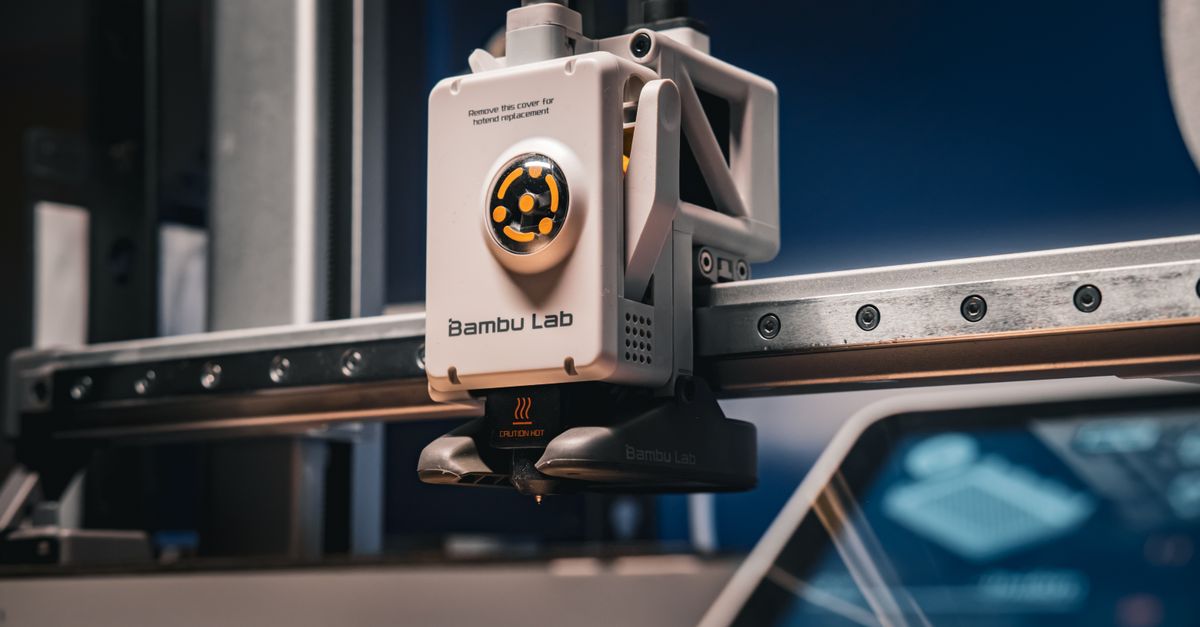
Seeing a 3D printed medical prototype made me realize how quickly ideas could shift from concept to test. By 2026, 3D printing is essential for engineers, designers, and entrepreneurs seeking faster time‑to‑market at lower cost.
1. 3D Printing for Healthcare: From Concept to Clinic
Rapid prototyping is vital in healthcare. Hospitals need custom implants, surgical guides, and patient‑specific models that can be produced in days instead of weeks.
Key Advantages for Medical Applications
- Speed – a full surgical guide can print within 48 hours.
- Precision – complex geometries achieved with high‑resolution machines.
- Cost – minimal material use compared to machining.
- Customization – each patient gets a device tailored to their anatomy.
A Nevada hospital cut its prototyping cycle from 10 weeks to under three by using a single high‑end printer.
For example, designing a cranial implant starts with an intraoperative CT scan. The DICOM data is converted into a surface mesh, refined in CAD, then sliced for a binder‑jet printer that produces a titanium alloy part with lattice support. Within 72 hours the surgeon has a replica to practice, validate fit, and spot complications before patient contact.
Beyond implants, anatomical models let surgeons rehearse complex procedures such as valve replacements or spinal fusions, and serve educational purposes for residents and patients, improving communication and consent processes. The result is a more efficient pipeline from concept to clinic with tangible outcome gains.
2. The Role of 3D Printed Prototypes in Product Development
Prototypes bridge design and production, catching flaws early, gathering feedback, and refining ergonomics across consumer electronics, automotive parts, and more.
Typical Prototype Lifecycle
- Digital Design – create CAD models.
- Print Run – batch print multiple iterations.
- Functional Testing – mechanical, electrical or usability tests.
- Feedback Loop – adjust design based on results.
- Final Production Prep – transfer to manufacturing.
Shortening step 2 with advanced printers can shrink launch timelines by up to 40 % in many projects.
The first stage is often overlooked; a clear, well‑documented design intent ensures the printed part truly represents what you want to test. Designers use parametric constraints so that small changes automatically propagate through the model, saving time when adjustments are needed after physical testing.
Common Mistakes and How to Avoid Them
- Over‑optimizing weight at the expense of strength.
- Ignoring material properties that affect performance.
- Skipping post‑processing, which can hide surface defects.
- Not involving end‑users early enough.
A lightweight chassis may look great in simulation but fail under load if the chosen polymer lacks impact resistance. A quick material screening—printing a small coupon and testing for tensile or compression strength—confirms that the resin meets required thresholds before committing to full prototypes.
Post‑processing steps such as cleaning, curing (SLA) or sintering (SLS) are critical; neglecting them can leave surface roughness that interferes with assembly. A dedicated station—equipped with ultrasonic cleaners, UV lamps, and sanding tools—ensures consistency across batches.
Involving end‑users early through rapid usability testing provides qualitative insights no simulation can capture. Even a simple “walk‑around” test can uncover ergonomic or interface issues that would otherwise surface only after costly production runs.
3. Color 3D Printing: Adding Value to Fashion and Branding
Color printing is more than visual polish; it’s a strategic tool for designers needing on‑demand samples that match brand aesthetics precisely.
Practical Uses in the Fashion Industry
- Rapid garment mockups with accurate color gradients.
- Custom accessories like jewelry or footwear components.
- On‑site production at pop‑up shops to reduce inventory risk.
- Collaborative design sessions where stakeholders see a colored prototype instantly.
The ability to print multiple colors simultaneously reduces build steps and saves time. In a recent project with a boutique label, sample creation dropped from 12 days to just 3.
Color printers use either multi‑extruder FDM or vat‑polymerization systems that switch resin batches mid‑print. Designers prepare layered color maps—using vector graphics—to guide the printer in placing specific hues at precise locations, speeding production while guaranteeing color fidelity critical for brand consistency.
Color prototypes also let designers experiment with texture and pattern effects that would be expensive or impossible to produce by hand. For instance, a shoe designer can test a gradient from matte black at the heel to glossy silver on the toe before committing to tooling.
4. Personalized 3D Printing: Tailoring Products for Individual Needs
Personalized printing goes beyond mass production, enabling products that fit an individual’s physiology or style—custom orthotics, bespoke hearing aids, even phone cases.
Benefits of Personalization in the Marketplace
- Increased satisfaction from a perfect fit.
- Higher willingness to pay for unique items.
- Reduced waste as production is demand‑driven.
- Enhanced brand loyalty through exclusive offerings.
A partnership with a startup offering personalized prosthetics accelerated iterative design by two cycles per year.
Personalization starts with data acquisition: 3D scanners, CT/MRI scans, or smartphone depth sensors capture accurate geometry. The raw data is cleaned, surfaces smoothed, and dimensions validated before feeding into CAD that automatically generates a printable model. Machine learning can suggest optimal lattice structures or support patterns based on load paths.
Regulatory requirements differ by market; medical devices may need FDA clearance in the U.S., while consumer goods must meet safety standards such as ASTM F963 for toys. Maintaining rigorous documentation—material certificates, test reports, version histories—is essential to satisfy regulators and customers alike.
5. Integrating 3D Printing into Your Workflow
A systematic approach is key. Below is a checklist for adding 3D printing to your product development pipeline.
Implementation Checklist
- Select the right printer type (FDM, SLA, SLS) based on material and resolution needs.
- Invest in CAD training or outsource to experts experienced with medical or fashion design.
- Set up a dedicated post‑processing station for cleaning, curing, and finishing.
- Create version control for digital models to track changes efficiently.
- Establish QA protocols: dimensional checks, material testing, functional tests.
Following these steps can reduce prototype turnaround from weeks to days, lower costs, and improve product quality across industries.
Consider cloud‑based collaboration tools that let stakeholders view, comment on, and approve models in real time. This cuts back‑and‑forth emails, logs every change with a timestamp and author signature, and speeds decision making.
When scaling from one prototype to a small batch—say 50 units—implement a print farm: multiple printers running parallel jobs monitored by a centralized dashboard. This setup not only accelerates output but also provides redundancy; if one printer fails, others can pick up the slack without halting the project.
The key takeaway: 3D printed prototypes are faster and enable customization and rapid iteration that traditional manufacturing cannot match, especially in healthcare and fashion where precision and personalization matter most.In my experience with a medical device firm, shifting to 3D printing cut development time by 35 % and saved over $200,000 in tooling costs.
What specific challenges have you faced when integrating 3D printed prototypes into your product development cycle, and how did you address them?


