
How Can High‑Resolution 3D Printing Enhance Prototypes, Packaging, Branding, and Miniatures?
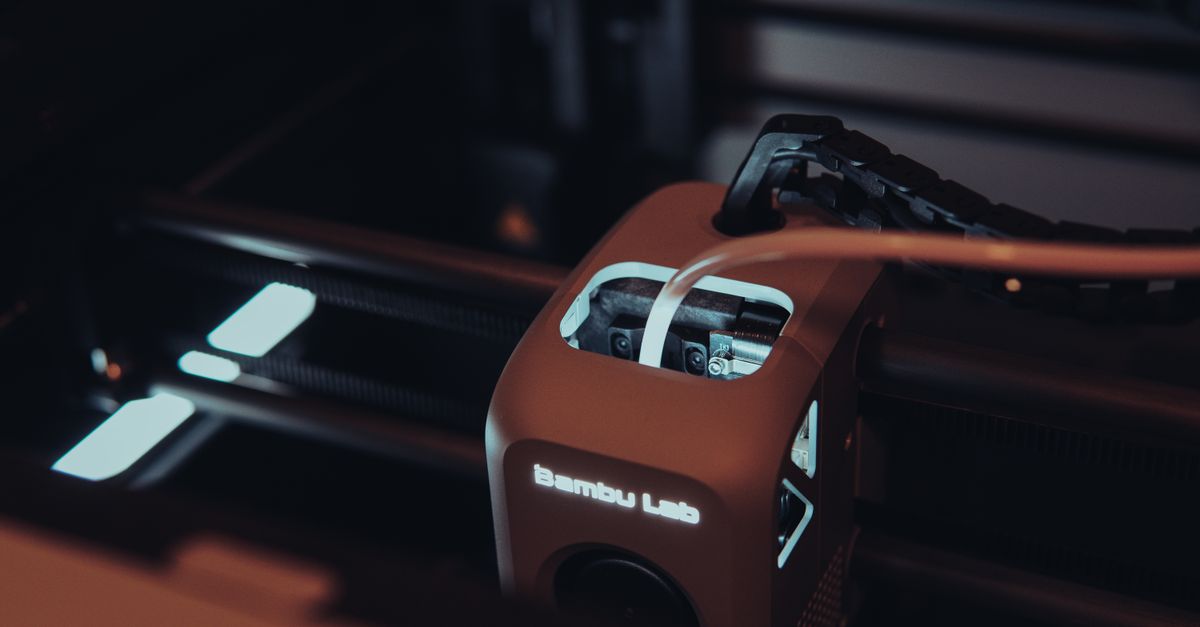
When a product launch is on the line, the speed and fidelity of a prototype can make or break the project. In 2026, high‑resolution 3D printing has become the go‑to solution for rapid iteration, sustainable packaging, brand storytelling, and collectible miniatures. This roundup explains how to leverage the technology across four key areas—custom prototypes, packaging, branding, and miniatures—and offers practical guidance on materials, design, cost, and common pitfalls.
1. High‑Resolution 3D Printing Basics for Business
High‑resolution 3D printing refers to additive manufacturing that delivers layer heights of 50 µm or less, enabling intricate detail, smooth surfaces, and accurate dimensional tolerances. The most common industrial printers now support a wide range of materials: from photopolymers (for resin prints) to nylon, polycarbonate, and metal alloys.
Key advantages for enterprises:
Benefits at a glance
- Faster iteration cycles—days instead of weeks.
- Lower tooling costs; no need for CNC machining or injection molds.
- Design freedom: complex geometries, internal lattices, and integrated electronics.
- Scalability: batch production from a single build plate.
A common mistake is over‑optimizing the design for printability—adding too many fillets or supports that increase weight without functional benefit. Balance aesthetics with structural integrity to keep costs predictable.
When setting up a workflow, start by selecting slicing software that matches your printer’s firmware; tools like Cura, PrusaSlicer, and MatterControl offer advanced support generation and orientation optimization. Consistent layer height settings (typically 50 µm for high‑resolution) and careful part orientation can dramatically reduce post‑processing time while maintaining surface quality.
2. Custom 3D Prototypes: From Concept to Validation
Custom prototypes are the backbone of product development. In my experience, a rapid prototype printed in resin can reduce design iteration time by 40 % compared to traditional CNC methods.
When we were developing a new ergonomic kitchen tool for a client, printing a series of resin prototypes allowed us to test grip comfort and mechanical fit before committing to injection molding. The feedback loop was compressed from 8 weeks to just 3.Material choice matters: resin offers excellent surface finish, while nylon or polycarbonate provide the durability needed for functional tests. Consider the following checklist:
Prototype Material Guide
- Resin: high detail, suitable for visual mock‑ups.
- Nylon: flexible, good for mechanical parts.
- Polycarbonate: impact resistant, ideal for structural prototypes.
- Metal alloys (e.g., Ti‑6Al‑4V): for high‑strength applications.
Remember to validate fit and function in real conditions—thermal cycling, load tests, or user trials—to avoid costly redesigns later. A practical approach is to print a small batch of prototypes first, perform rapid functional testing, then iterate the CAD model before committing to larger production runs. This staged process keeps material usage lean while ensuring reliability.
3. 3D Printing for Packaging: Sustainable and Functional Design
Packaging is often the first touchpoint with a customer, yet it consumes significant material and waste. High‑resolution printing enables custom packaging that fits products perfectly while reducing excess cardboard or plastic.
I once worked with an artisanal beverage brand that used 3D printed blister packs made from recyclable PLA. The result was a lightweight, branded shell that held the product securely and reduced shipping weight by 25 %.When designing packaging with 3D printing:
Design Tips for Packaging
- Use lattice structures to maintain strength while cutting material.
- Integrate brand logos directly into the print for a seamless look.
- Choose recyclable or compostable polymers to appeal to eco‑conscious consumers.
- Prototype with low‑cost filaments before committing to high‑grade materials.
A common error is over‑engineering the shape, which leads to longer print times and higher costs. Aim for minimalism—design only what’s necessary to protect and display the product. Additionally, multi‑material printers allow you to embed color gradients or textures directly into the package, eliminating secondary printing steps and reinforcing brand identity.
4. 3D Printing for Branding: Creating Identity in Physical Form
Brands can differentiate themselves by printing unique elements that reinforce their story. From custom keychains to limited‑edition figurines, high‑resolution prints allow precise replication of logos, textures, and fine details.
Branding Use Cases
- Product Inserts: branded inserts that attach inside a device or tool.
- Event Swag: limited‑run 3D printed items for conferences.
- AR Integration: prints with embedded QR codes or RFID chips linking to digital experiences.
- Sustainability Messaging: using bio‑based filaments that echo eco‑friendly values.
The key is consistency: ensure color, texture, and finish match the brand’s visual guidelines. If you’re working with multiple printers or vendors, establish a material library to keep outputs uniform across locations. A recent example involved a fashion house that released 3D printed cufflinks featuring their signature pattern; the items sold out within weeks thanks to the tangible connection between design and craftsmanship.
5. 3D Printed Miniatures: From Gaming to Collectibles
Miniature production has been revolutionized by 3D printing, especially for tabletop games and collectible figurines. High‑resolution prints can capture fine armor details, weapon textures, and facial expressions that were previously labor‑intensive.
Miniature Production Workflow
- Design: use CAD models with modular parts to enable easy customization.
- Material: high‑resolution resin for detail; ABS or PETG for durability.
- Post‑Processing: sand, prime, and paint to achieve a professional look.
- Packaging: combine with custom 3D printed cases that match the game's aesthetic.
For small runs, resin printers are cost‑effective. For larger volumes, consider using a hybrid approach: print prototypes in resin, then transfer the design to a low‑cost filament or even injection molding once the model is finalized. This strategy keeps initial costs low while scaling production without sacrificing detail.
6. Practical Checklist for Implementing High‑Resolution 3D Printing
Before you invest in a printer or outsource, run through this checklist:
- Define Objectives: prototype validation? packaging? branding?
- Select Material: based on strength, finish, and cost.
- Choose Printer: SLA for detail; DLP for speed; FDM for bulk parts.
- Set Layer Height: 50 µm for high resolution; adjust per part function.
- Validate Build Plate Size: ensure it accommodates your largest design.
- Plan Post‑Processing: sand, cure, paint—include time in project schedule.
A reliable maintenance routine—daily cleaning of resin vats, weekly calibration checks, and firmware updates—keeps printers operating at peak quality. When selecting vendors, look for transparent pricing models, responsive technical support, and sample libraries that demonstrate print fidelity across colors and materials.
Adopting high‑resolution 3D printing can streamline product development, reduce waste, enhance brand storytelling, and create collectible items with professional quality. With careful planning—material selection, design for manufacturability, post‑processing workflows, and vendor management—you can unlock tangible benefits across multiple facets of your business in 2026.
How have you integrated high‑resolution 3D printing into your product or branding strategy?


