
How Can Advanced 3D Printing Improve Packaging and Prototype Development in 2026?
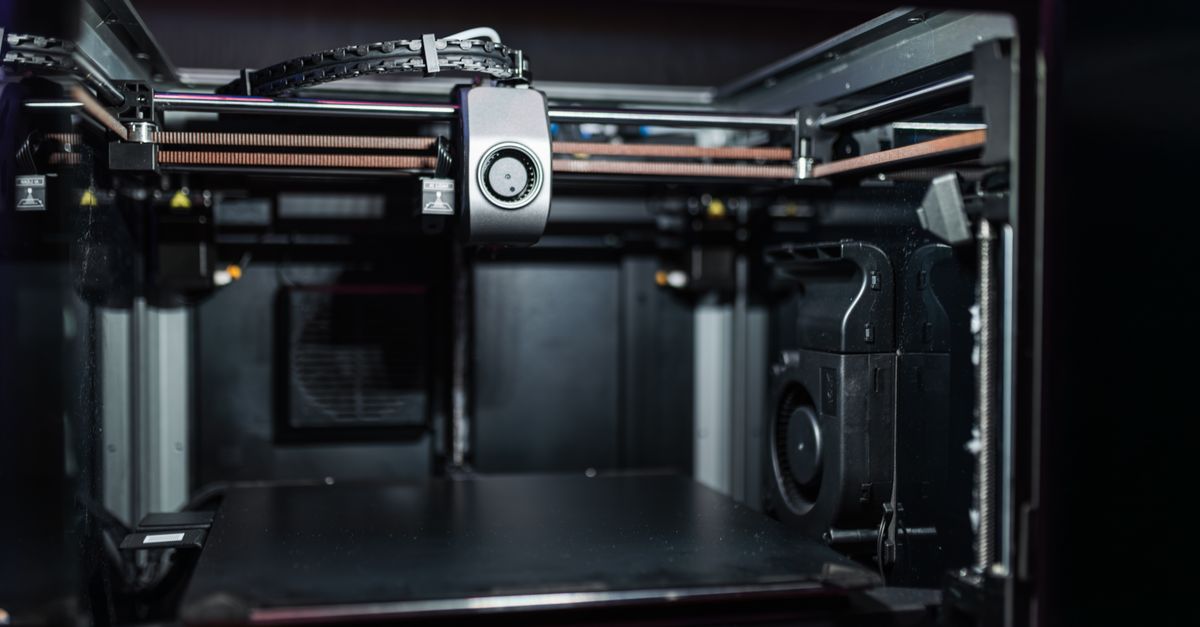
In 2026, additive manufacturing is no longer a niche tool; it’s a core part of product development pipelines. Whether you’re designing a next‑generation consumer package or refining an industrial component, 3D modeling and printing can accelerate time to market, reduce waste, and unlock design freedom that traditional methods cannot match.
What Is Advanced 3D Printing and Why It Matters
Advanced 3D printing refers to the latest generation of additive manufacturing technologies—high‑resolution stereolithography (SLA), digital light processing (DLP), multi‑jet modeling, binder jetting, and high‑speed fused deposition modeling (FDM). These systems produce parts with sub‑millimeter accuracy, complex geometries, and surface finishes that rival injection‑molded components.
For packaging designers, the shift means you can prototype functional containers in days instead of weeks. For engineers, it allows rapid iteration of mechanical parts without setting up costly tooling. In both cases, additive manufacturing reduces upfront capital, cuts material waste, and enables on‑demand production.
Key Capabilities That Differentiate Advanced 3D Printing
- High resolution (≤10 µm) for fine detail and smooth surfaces
- Multi-material printing—combining flexible polymers with rigid resins in a single build
- Integrated post‑processing options such as automated polishing or curing
- Scalable production through cluster printing setups
- Cloud‑based job management for remote collaboration and version control
These capabilities directly translate into faster design cycles, lower tooling costs, and more sustainable manufacturing practices.
How 3D Printing Enhances Packaging Design
Packaging is often the first touchpoint between product and consumer. It must protect, communicate brand values, and be cost‑effective. Additive manufacturing offers unique advantages:
Benefits of 3D Printing for Packaging
- Rapid Prototyping – Build functional mock‑ups in a single day.
- Complex Geometry – Internal vents, integrated labeling, and ergonomic grips that would be impossible with conventional tooling.
- Material Experimentation – Test biodegradable resins or high‑impact plastics before committing to mass production.
- Customization – Produce small runs of personalized packaging for niche markets.
- Reduced Lead Time – Cut the design‑to‑manufacture window from months to weeks.
When I first integrated 3D printing into our packaging workflow in 2024, we cut prototype turnaround from 14 days to just three. That speed allowed us to iterate on user experience and brand messaging without waiting for injection molds. Additionally, the ability to embed features such as QR‑code pockets or custom grip textures directly into a single build streamlines downstream assembly steps that would otherwise require separate molding operations.
Beyond functional testing, 3D printing supports sustainability goals by enabling designers to evaluate recyclable or compostable materials early in the cycle. A simple change from a standard ABS resin to a bio‑based polycarbonate can be assessed for mechanical performance and visual appeal without the cost of new tooling, giving brands confidence that their eco‑claims are backed by real data.
Choosing a Prototype Development Service: What To Look For
A prototype development service can be the bridge between your CAD files and production‑ready parts. Selecting the right partner requires evaluating their technology, expertise, and support structure.
Criteria for Evaluating Prototype Services
- Technology Portfolio – Do they offer SLA, DLP, or multi‑material options?
- Material Library – Availability of the plastics, resins, and composites you need.
- Turnaround Time – Ability to deliver within your project schedule.
- Quality Assurance – Post‑processing standards and dimensional accuracy guarantees.
- Collaboration Tools – Cloud platforms for file sharing, version control, and real‑time feedback.
- Pricing Transparency – Clear cost breakdowns for material, printing time, and post‑processing.
- Experience with Your Industry – Knowledge of industry standards, regulatory requirements, or packaging guidelines.
In my experience, partnering with a service that offers end‑to‑end support—from file optimization to final assembly—reduces project friction and speeds up time to market. A good partner will also provide design review sessions where they can point out potential print failures before the first build, saving you from costly reprints.
Cost Factors and ROI Considerations
While additive manufacturing can lower upfront tooling costs, it introduces new cost variables. Understanding these helps you forecast ROI accurately.
Primary Cost Drivers in 3D Printing Projects
- Material Costs – Resins and specialty polymers are typically higher than bulk plastics.
- Print Time – Longer build times translate to higher machine hours, especially for high‑resolution jobs.
- Post‑Processing – Cleaning, curing, sanding, or painting adds labor and equipment expenses.
- Support Structures – Material waste from supports and the effort to remove them.
- Design Iteration Frequency – Multiple revisions can compound material and time costs.
A well‑planned prototype program can still deliver net savings by eliminating costly mold development. For example, a single high‑complexity component that would have required a $25,000 mold can often be produced in under two weeks for roughly $1,200 of material and printing cost. When you factor in the ability to make rapid changes—such as adjusting wall thickness or adding ventilation holes—you avoid the hidden costs of re‑tooling that traditional manufacturing demands.
Common Mistakes When Adopting Additive Manufacturing
Even seasoned designers stumble when first embracing 3D printing. Avoiding these pitfalls ensures smoother integration.
Top Five Pitfalls to Watch Out For
- Ignoring Build Orientation – Poor orientation leads to weak supports and surface defects.
- Overlooking Material Properties – Choosing a resin that looks good but fails under load.
- Neglecting Post‑Processing Standards – Skipping cleaning or curing can reduce part lifespan.
- Underestimating Build Time – Complex geometries often require longer prints than anticipated.
- Not Validating Design for Additive Manufacturing (DFAM) – Designs optimized for injection molding may not translate well to 3D printing.
In my experience, implementing a DFAM checklist early in the design phase cuts rework by up to 30% and saves both time and money. This checklist typically includes minimum wall thickness, overhang angles, and support density guidelines that are specific to the chosen printer type.
Practical Steps to Implement 3D Printing in Your Supply Chain
If you’re ready to bring additive manufacturing into your operations, follow this step‑by‑step roadmap.
Implementation Roadmap
- Define Objectives – Identify whether the goal is rapid prototyping, low‑volume production, or design validation.
- Select Appropriate Technology – Match your part requirements to SLA for fine detail or FDM for larger builds.
- Create a Design Checklist – Include support strategy, wall thickness, and material selection guidelines.
- Choose a Prototype Partner – Evaluate based on the criteria outlined earlier.
- Establish Quality Metrics – Set tolerances, surface finish standards, and functional tests.
- Integrate Cloud Workflows – Use version control to manage iterative changes.
- Pilot a Small Batch – Validate the process before scaling up.
- Analyze ROI – Compare total cost of ownership against traditional manufacturing paths.
- Iterate and Scale – Use insights from the pilot to refine processes and expand use cases.
This framework has helped companies I’ve consulted for transition from injection molding to a hybrid additive‑manufacturing strategy, reducing lead times by 40% while keeping costs competitive. A key element of success is maintaining open communication between design engineers and the printing service, ensuring that any technical constraints are addressed before the first build.
The key takeaway: Advanced 3D printing is not just a prototyping tool—it’s a strategic asset that can streamline design cycles, reduce tooling expenses, and enable sustainable packaging solutions in 2026. In my experience, the biggest win comes from treating additive manufacturing as an integrated part of the product development lifecycle rather than a standalone prototyping option. What specific challenges have you faced when integrating 3D printing into your packaging or prototype workflows?


