
Can Personalized, Durable 3D Printing Help Startups Scale Faster?
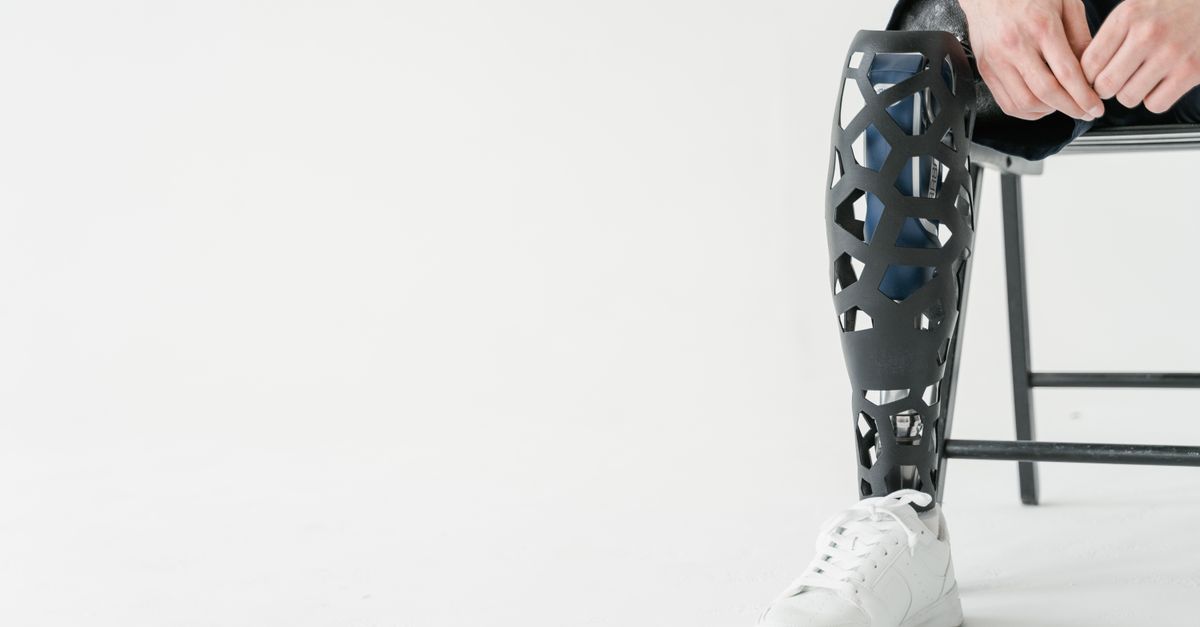
I’ve spent the last decade helping founders turn ideas into products. The most common bottleneck I see is the time and expense of producing functional prototypes and small‑batch parts that meet real‑world durability demands. In 2026, personalized 3D printing has moved beyond novelty; it’s now a strategic tool for startups and aerospace firms alike.
The Evolution of 3D Printing in Entrepreneurship
When I first started building MVPs, the only accessible additive manufacturing was basic PLA or ABS. Those materials were cheap but fragile – not suitable for commercial launch or aerospace testing. Today’s printers can layer composites, metal alloys, and even carbon‑fiber‑reinforced polymers with precision. The result is a spectrum of personalized 3D printing options that deliver durable parts at scale.
Entrepreneurs now use these capabilities to:
Common Uses for Startups
- Rapid iteration of mechanical components before mass production
- Custom tooling and fixtures tailored to specific workflows
- On‑demand, low‑volume production of customer‑specific parts
- Prototyping of complex geometries that would be impossible with traditional manufacturing
- Creating lightweight aerospace brackets or structural elements for drones
This shift has lowered the entry barrier; a founder can iterate in weeks instead of months, and pivot without huge inventory commitments.
For instance, EcoGadget Inc., a renewable energy startup, used a carbon‑fiber 3D printer to produce custom mounting brackets for solar panels. The prints were finished within two days, allowing the company to field test the design in real weather conditions before committing to an expensive mold. This rapid feedback loop shortened their product development cycle from nine months to just three.
Why Durability Matters for Startups and Aerospace
Key takeaway: The true value of personalized 3D printing lies not just in speed but in the ability to produce parts that can withstand real operational stresses.Durable 3D prints are essential when your product must survive repeated use, extreme temperatures, or mechanical loads. For aerospace startups, regulatory compliance demands materials with proven fatigue resistance and thermal stability. In consumer products, durability translates directly into customer satisfaction and brand reputation.
The main material families that meet these requirements are:
Durable Material Options
- Polyamide (Nylon) – high impact resistance and excellent wear properties; ideal for gear housings and moving parts.
- PEEK – superior mechanical strength, chemical resistance, and temperature tolerance up to 260 °C; commonly used in automotive engine components.
- Titanium alloys (Ti‑6Al‑4V) – lightweight yet incredibly strong, ideal for aerospace brackets and structural frames.
- Carbon‑fiber reinforced polymers – combine stiffness with low weight; perfect for drone arms and racing bike frames.
- Metal alloys via Direct Metal Laser Sintering (DMLS) – precise geometries with near net shape; suitable for complex bracket assemblies that would require multiple machining steps.
- Hybrid composites – embed metal inserts within polymer matrices for complex assemblies, offering the best of both worlds.
Choosing the right material involves balancing cost, tooling requirements, and performance specifications. Startups that ignore durability risk costly redesigns or warranty claims later.
Selecting the Right Materials for Custom Parts
In my experience, I’ve seen founders over‑optimize for aesthetics at the expense of function, leading to parts that fail under load.When evaluating materials, ask these questions:
- What mechanical loads will the part endure (tension, compression, shear)?
- At what temperatures must it operate?
- Does the application involve chemical exposure or abrasion?
- Is weight a critical factor?
- What is the projected production volume and cost per unit?
For example, a drone frame might benefit from carbon‑fiber composites for lightness, while a landing gear bracket may need titanium for high stress tolerance. Pairing material selection with design for manufacturability (e.g., minimizing overhangs for FDM or ensuring support removal for metal printing) further reduces post‑processing time.
It can also be helpful to prototype with a cheaper grade first—such as nylon—to validate the geometry and loading before committing to an expensive titanium build. Once the design is proven, you replace the material in the CAD file and re‑print, saving both time and money.
Cost Breakdown: From Prototyping to Production
The economics of personalized 3D printing have shifted dramatically. While high‑grade materials and large printers carry upfront costs, the ability to produce parts on demand eliminates inventory holding and tooling expenses.
Typical Cost Components
- Material cost: $15–$50 per kg depending on polymer or metal grade
- Print time: 20 hrs for a 100‑gram part vs. 10 hrs for a 200‑gram part (time scales with volume)
- Post‑processing: Surface finishing, support removal, and heat treatment can add $5–$15 per piece
- Equipment amortization: Depreciation of printers over 3–5 years spreads cost across thousands of parts
- Labor: Operator time for setup and quality checks (approx. $25/hr)
For a startup needing 100 units, the total cost per unit can drop from $200 (traditional machining) to under $80 with optimized 3D printing workflows. Scaling up to thousands of units still offers savings, especially when you factor out mold creation and tooling.
A practical tip: run a quick cost simulation using your printer’s build volume and material price before committing. Many vendors provide online calculators that factor in support material and post‑processing hours, giving you an instant ROI estimate.
Integration with Existing Supply Chains
Adopting personalized 3D printing isn’t a standalone decision; it must fit within your broader manufacturing ecosystem.
- Digital asset management: Store STL files, material specs, and build logs in a centralized repository to ensure traceability.
- Quality control: Implement automated scan‑to‑CAD verification to catch dimensional deviations before shipping.
- ERP integration: Sync print orders with inventory and billing systems so the data flows seamlessly.
- Vendor partnerships: Work with certified printers that offer service level agreements (SLAs) for uptime and support.
- Regulatory compliance: For aerospace, maintain documentation of material certifications and test reports to satisfy FAA or EASA requirements.
When you align 3D printing processes with your existing supply chain, you gain agility without sacrificing reliability. This is especially true for startups that need to iterate quickly but still deliver production‑ready parts.
A real-world example: SkyLoom Aerospace integrated their DMLS printer data directly into SAP ERP. Every build generated an electronic log that automatically updated inventory levels, reduced manual entry errors, and enabled them to ship customer orders within 48 hours of a print completion.
Common Pitfalls and How to Avoid Them
Even with the best intentions, many entrepreneurs fall into traps that undermine the benefits of personalized 3D printing.
- Underestimating post‑processing: Many assume a print is ready to use. In reality, support removal, surface finishing, and curing can add significant time.
- Ignoring build orientation: Poor orientation leads to weak layer adhesion and more supports, increasing cost and failure risk.
- Overreliance on low‑cost materials: PLA or ABS may be inexpensive but unsuitable for functional prototypes that need mechanical strength.
- Lack of design for additive manufacturing (DfAM): Complex geometries without considering print constraints can result in failures.
- Not validating with real‑world tests: Bench testing is essential; a part may look fine in CAD but fail under operational loads.
By proactively addressing these issues—through design reviews, material selection workshops, and iterative testing—you reduce risk and accelerate time to market.
Specific mitigation steps include: using slicer software that flags overhangs above 45°, scheduling routine calibration prints, and creating a small library of “test coupons” for each material batch to verify tensile properties before large builds.
What specific challenges have you faced when integrating 3D printing into your startup’s production workflow?


