
Can On‑Demand 3D Printing Revolutionize Packaging for Small Businesses?
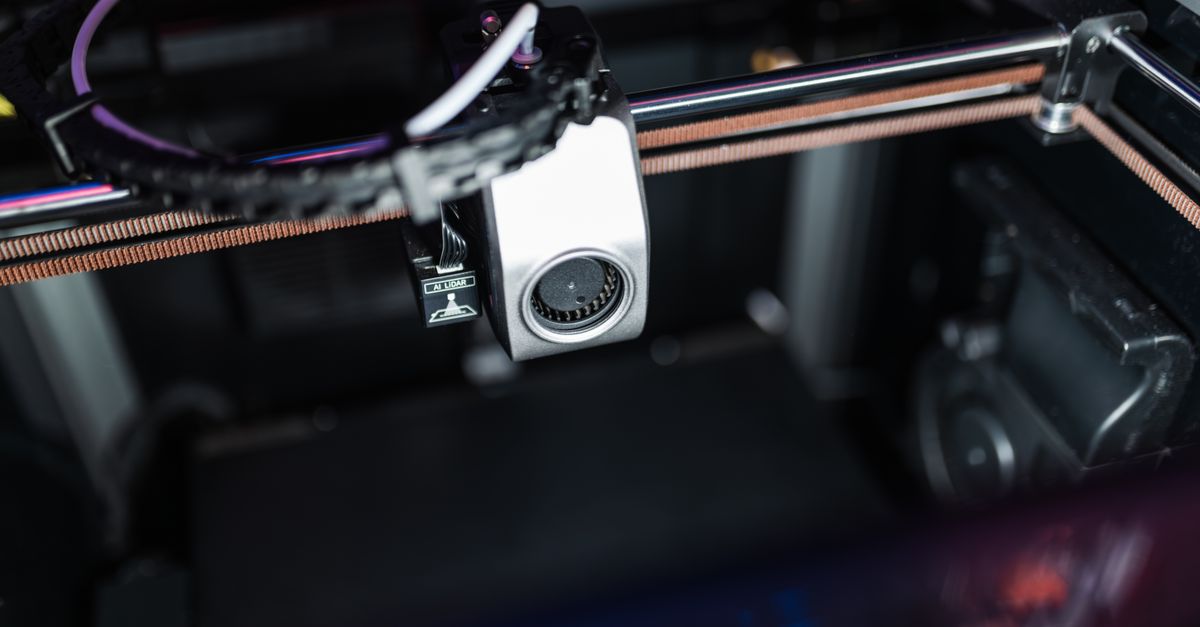
Packaging is no longer just a protective layer; it’s a brand statement, a cost lever, and an opportunity for rapid iteration. In 2026, the convergence of 3D printing for packaging, Rapid prototyping, and On‑Demand 3D printing gives entrepreneurs and engineers the power to design, test, and deploy custom solutions without the traditional lead times or inventory overhead.
1. Understanding 3D Printing for Packaging
The first step is recognizing what makes 3D printing uniquely suited for packaging. Unlike injection molding, which requires expensive tooling upfront, additive manufacturing builds items layer by layer directly from digital files. This means you can produce a prototype or even a final product in hours rather than weeks.
Key Advantages
- Zero tooling costs
- Design flexibility for complex geometries
- Batch‑size independence
- Material variety (PLA, PETG, TPU, etc.)
- Embedded branding options (logos, QR codes)
- Potential to integrate functional features such as snap‑tabs or built‑in ventilation directly into the print
In my experience, the ability to iterate on a design by simply editing a CAD file and re‑printing is the biggest time saver for startups.
Beyond cost savings, 3D printing allows designers to experiment with lightweight structures that reduce shipping weight, or incorporate integrated cushioning that eliminates the need for separate foam inserts. This can lead to lower logistics expenses and a smaller environmental footprint—an increasingly important consideration for eco‑conscious consumers.
For example, a boutique skincare brand used PLA to create a fully branded tube that incorporated a flip‑top lid and a micro‑ventilation system. The result was a product that not only protected the formulation but also communicated sustainability through its recyclable material choice.
2. Rapid Prototyping Workflow for Packaging Solutions
Rapid prototyping is often synonymous with 3D printing, but it encompasses more than just the manufacturing step. A structured workflow ensures that each prototype moves efficiently from concept to validation.
Typical Workflow Steps
- Define functional requirements (size, strength, barrier properties)
- Create a CAD model or import an existing design
- Select appropriate material and printer settings
- Print the prototype on a desktop or industrial machine
- Test for fit, durability, and aesthetics
- Iterate based on test results
The fastest prototypes are often the ones that fail early; use each failure as data to refine the design.
During the testing phase, it’s helpful to establish a simple checklist: does the package hold its shape under weight? Does the seal create an airtight barrier? Can customers easily open and close it? Documenting these results in a shared spreadsheet keeps every stakeholder on the same page and accelerates decision‑making.
Adding a design optimization step before printing can reduce material usage. Tools like slicing software allow you to adjust infill density, shell thickness, or support structures to balance strength with print time. When combined with material testing—especially for food‑grade plastics—you can ensure compliance without compromising performance.
3. On‑Demand vs Traditional Manufacturing
Traditional packaging production relies heavily on economies of scale: large runs reduce unit cost but lock you into fixed inventory and longer lead times. On‑demand 3D printing removes these constraints, allowing for just‑in‑time delivery that aligns with actual demand.
Comparative Snapshot
| Traditional | On-Demand 3D Printing | |
|---|---|---|
| Tooling Cost | $50k–$200k+ | $0 |
| Minimum Order Quantity | 10,000 units | 1 unit |
| Lead Time | 6–12 weeks | 24–72 hours |
| Flexibility | Low (design changes costly) | High (digital files editable) |
| Inventory Risk | High | None |
In my experience, small businesses that pivoted to on‑demand printing saw a 40% reduction in inventory carrying costs.
The environmental impact is also notable. Traditional manufacturing often generates significant waste from leftover material and excess packaging stock. Additive manufacturing uses only the material needed for each part, which can cut material waste by up to 70%. When combined with recyclable thermoplastics, this approach supports circular economy goals that resonate strongly with modern consumers.
Another advantage is supply‑chain flexibility. Because production occurs close to demand—whether in a local shop or via an online service—you can tailor packaging to regional regulations, language requirements, or specific retailer specifications without re‑tooling the entire line.
4. Cost Analysis & ROI for Entrepreneurs
While the upfront cost of industrial 3D printers can be significant, many entrepreneurs use shared facilities or service providers to mitigate capital expenses. The real question is: when does the per‑unit cost become competitive with traditional methods?
Cost Breakdown (per unit)
- Material: $0.05–$0.20
- Machine depreciation: $0.02–$0.10
- Energy & labor: $0.01–$0.05
- Post‑processing (cleaning, curing): $0.02–$0.08
- Total: $0.10–$0.45
For orders under 500 units, the total cost can be lower than injection molding when factoring tooling and lead time. However, for high‑volume runs, traditional methods still dominate.
Return on Investment (ROI) Timeline
- Year 1: Initial setup and pilot projects → Break-even at ~200 units
- Year 2–3: Scale to 500–1,000 units → Profit margins improve as design iterations reduce material waste
- Year 4+: Expand service offerings (custom branding, rapid prototyping) → Diversify revenue streams
The key to a solid ROI is leveraging the same digital files across multiple product lines.
A practical tip for early adopters is to keep a detailed log of material usage and print times. Over time, you’ll notice patterns—perhaps certain infill densities or support structures consistently reduce print duration without compromising strength. These insights can be fed back into the design phase, creating a virtuous cycle that gradually drives costs down.
Regulatory compliance is another factor to consider. For food‑grade packaging, you must verify that the chosen polymer meets FDA or EU directives, and that any additives used (colorants, adhesives) are approved for contact with consumables. Documenting these certifications alongside your cost sheets ensures that no hidden expenses arise when scaling.
5. Practical Tips for Engineers and Entrepreneurs
Adopting on‑demand 3D printing requires more than buying a printer; it demands a shift in mindset and processes.
Actionable Checklist
- Validate material suitability: test tensile strength, barrier properties, and food safety where relevant.
- Implement version control for CAD files to avoid confusion during iterative cycles.
- Use slicing software presets that balance speed with surface quality; tweak layer height based on part geometry.
- Automate post‑processing steps (e.g., wash‑and‑dry robots) if production volume increases.
- Partner with a local 3D printing service for high‑volume runs to keep costs predictable.
- Apply Design for Additive Manufacturing (DfAM) guidelines: avoid overhangs, incorporate lattice structures where appropriate, and use support-free designs when possible.
In my experience, embedding quality checkpoints at each stage of the workflow prevents costly re‑prints and builds confidence among stakeholders.
The most successful packaging teams treat 3D printing as a flexible, iterative tool rather than a finished manufacturing solution.Adopting on‑demand 3D printing can transform how you bring packaging to market. By embracing rapid prototyping workflows, understanding cost structures, and aligning production with actual demand, entrepreneurs and engineers alike can reduce waste, accelerate time to market, and create distinctive brand experiences—all while keeping inventory risk at bay.
When you first launch a new product line, consider starting with a single prototype that demonstrates both functionality and branding. Once the design is validated, use the same CAD file to produce additional units for different markets—perhaps a lighter version for travel or a sturdier one for industrial applications. This modular approach maximizes asset utilization and showcases the true power of digital manufacturing.
How have you integrated on‑demand 3D printing into your packaging strategy, and what metrics do you track to measure success?


